Preparing for the NCLEX can feel overwhelming, especially with the new NGN format. The good news? With the right NCLEX prep strategy, you can understand clinical judgment, manage test anxiety, and increase your chances of passing on the first attempt. This guide gives you the most effective study steps, paired with high-value resources from NurseClex to support your learning.
⭐ Why NCLEX Prep Looks Different in 2025
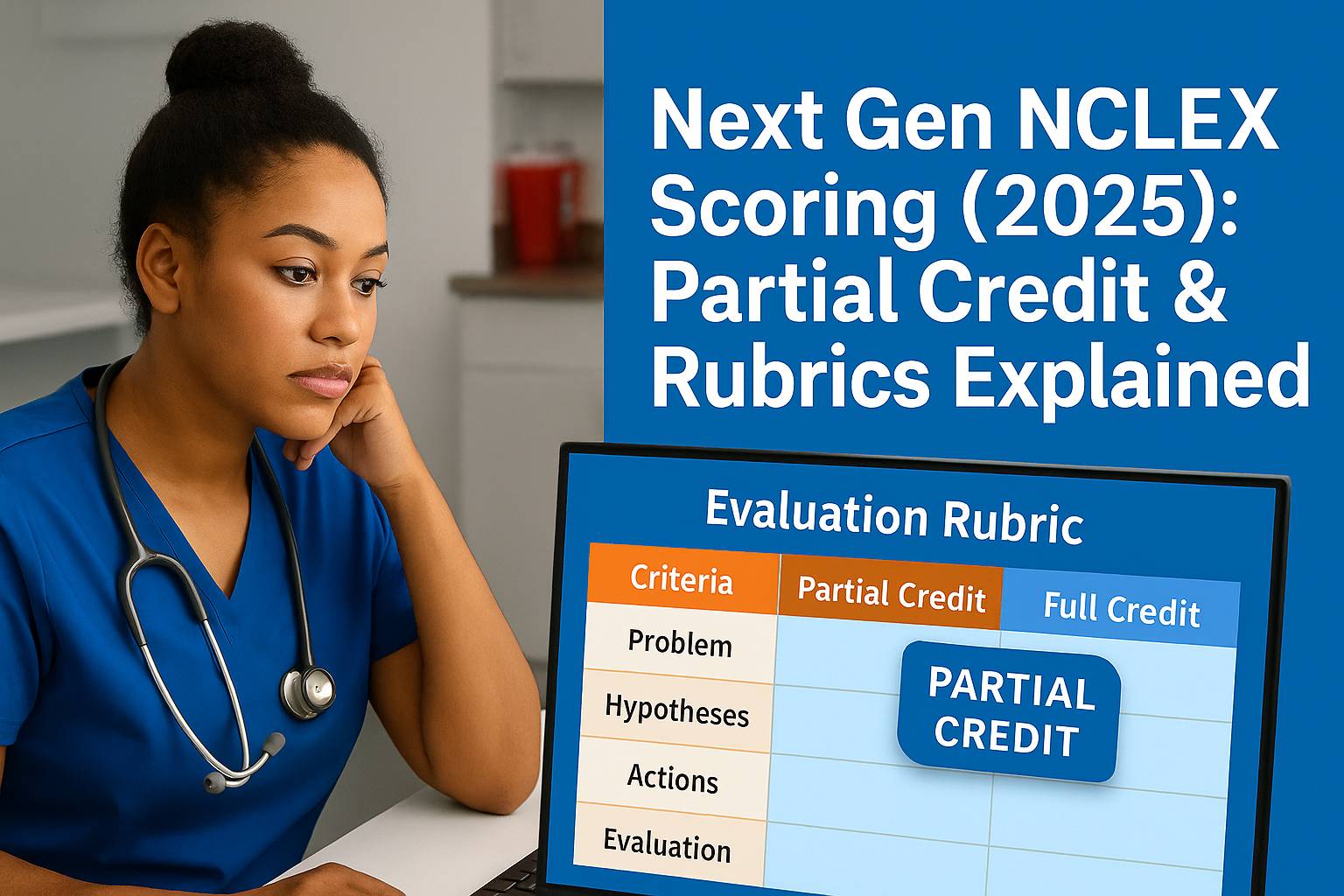
The Next-Generation NCLEX (NGN) now focuses heavily on clinical judgment. Instead of memorizing facts, candidates must analyze cues, understand patterns, and apply real-world reasoning. This means your NCLEX prep should involve more case studies, practice questions, and exposure to CJM steps.
You can explore full NGN case studies here: NGN Case Study Sets:
1. Know the NCLEX Test Plan
Start your NCLEX prep by understanding the exam blueprint. The NCLEX evaluates:
-
Safe & effective care
-
Clinical judgment
-
Pharmacology
-
Physiological & psychosocial adaptation
-
Maternal, pediatric, and adult health
Knowing what to expect helps you focus your study time and reduce overwhelm.
2. Build Your Clinical Judgment Skills
Most students struggle with CJM (Clinical Judgment Measurement). It’s the core of NGN.
Mastering this skill requires repeated exposure to cue recognition, analyzing data, and decision-making.
Start with this essential guide on common mistakes:
Cue Recognition Patterns Beginners Miss
3. Use High-Quality NCLEX Practice Questions
Your NCLEX prep must include realistic practice questions. Choose sources that match the NGN format, including:
-
Case studies
-
Cloze items
-
Drop-down rationale
-
Matrix multiple response
Quality practice boosts confidence and improves clinical judgment accuracy.
Try these practice sets and examples:
Approaching Pediatric NCLEX Questions
4. Follow a Structured NCLEX Study Plan
A weekly schedule removes overwhelm and builds consistency. You don’t need to study for 10 hours a day—just strategize.
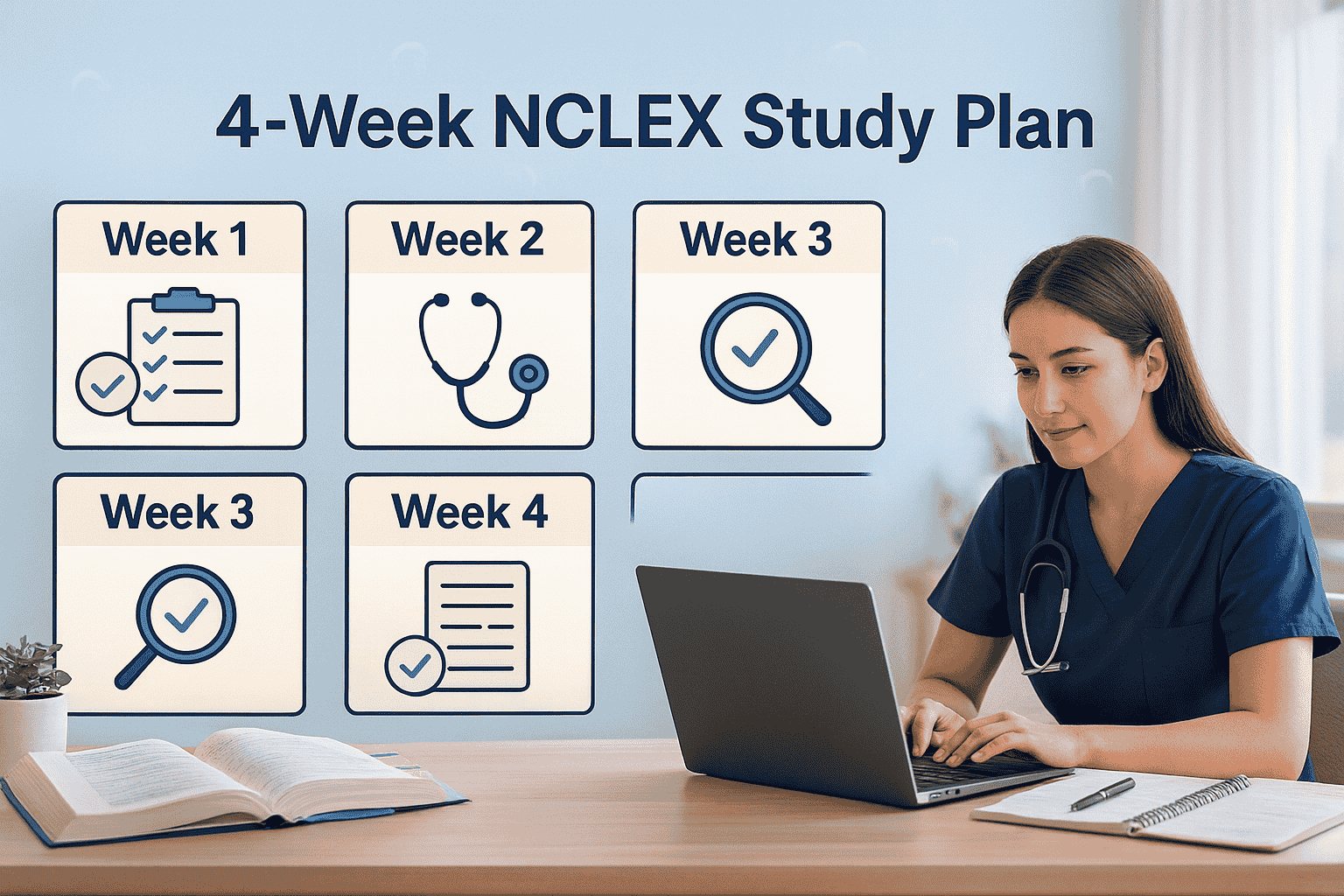
For example, a 4-week intensive NCLEX prep plan may include:
-
Week 1: Foundations & pharmacology
-
Week 2: Med-surg & clinical judgment
-
Week 3: Pediatrics, maternal care & NGN
-
Week 4: Full-length practice tests
See a complete sample calendar here:4-Week NCLEX Study Plan:
5. Review High-Yield Nursing Content
Include daily practice in the following:
-
Pharmacology
-
Priority setting (ABCs, Maslow, safety)
-
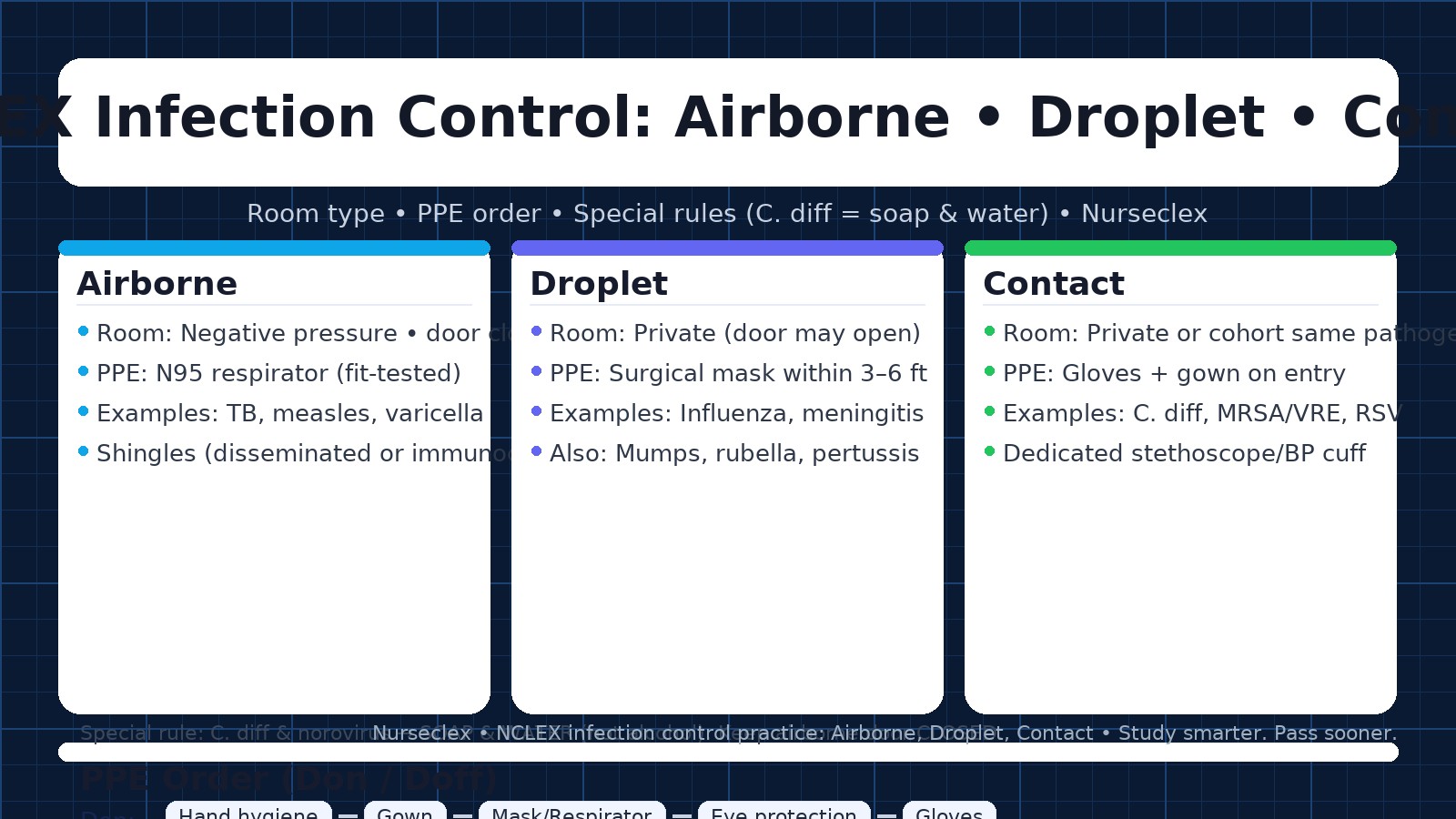
Infection control
-
Delegation & assignment
-
Pediatric norms
-
Maternity emergencies
These topics appear frequently on the exam and boost your overall readiness.
6. Take Full-Length Mock Exams
Mock exams give you:
-
Timing skills
-
Stamina
-
Familiarity with NGN item types
-
Confidence under pressure
Most importantly, they expose weak areas for you to improve before test day.
7. Strengthen Test-Taking Strategies
Use these NGN-specific strategies during your NCLEX prep:
✔ Always identify relevant vs. irrelevant cues
✔ Think like a nurse giving report
✔ Prioritize patient safety
✔ Choose the most stable, predictable option
✔ Don’t overthink—trust the clinical judgment process
8. Manage Stress and Maintain Consistency
The NCLEX is as much a psychological test as a clinical one. Proper rest, study breaks, and confidence training are part of successful NCLEX prep.
Try:
-
Pomodoro technique
-
Short daily reviews
-
Study groups
-
Limiting resources to avoid overload
Conclusion
With the right NCLEX prep strategy—practice questions, clinical judgment training, and structured study plans—you can pass with confidence. Make sure your routine includes NGN case studies, mock exams, and consistent daily review.
Use the NurseClex resources linked in this guide to strengthen weak areas and build strong clinical judgment skills.
You’ve got everything you need—now let’s get you to NCLEX success.
Related blogs
Recent posts